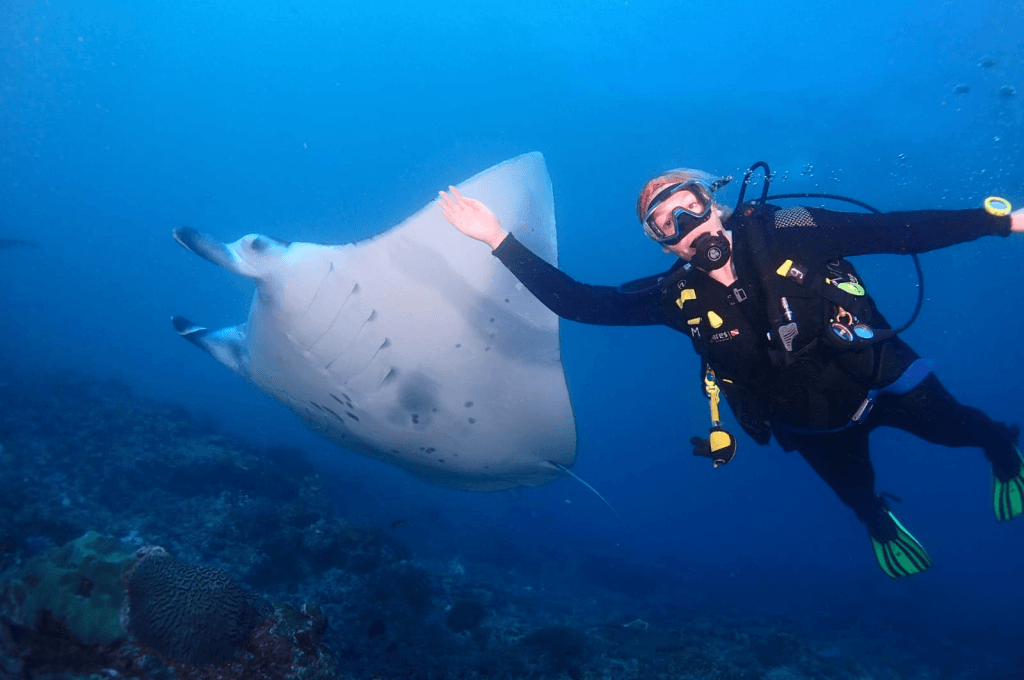



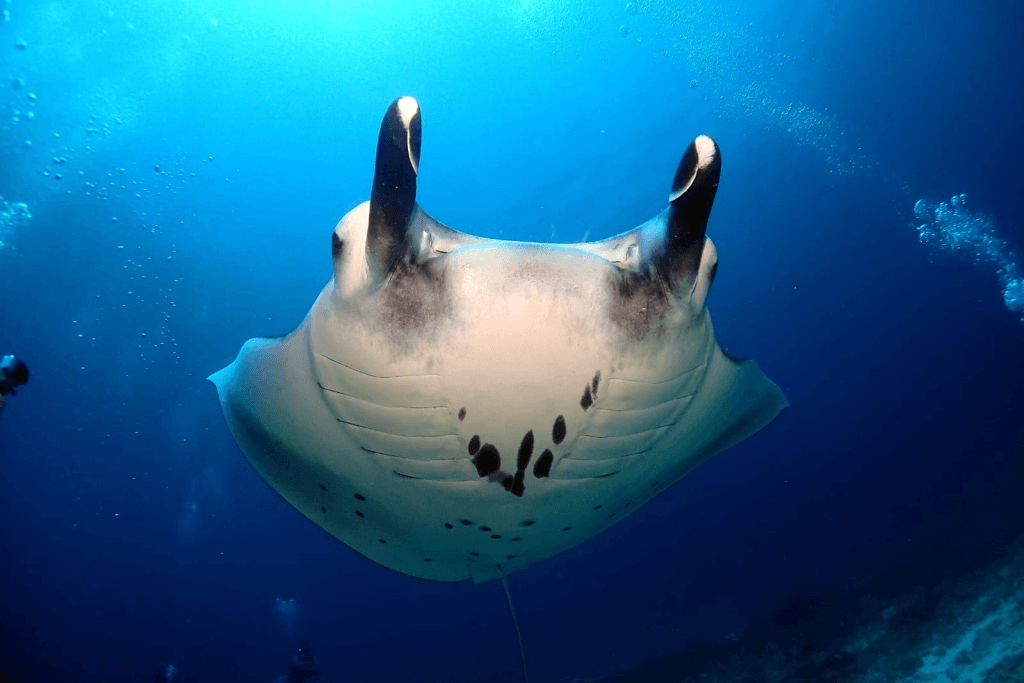
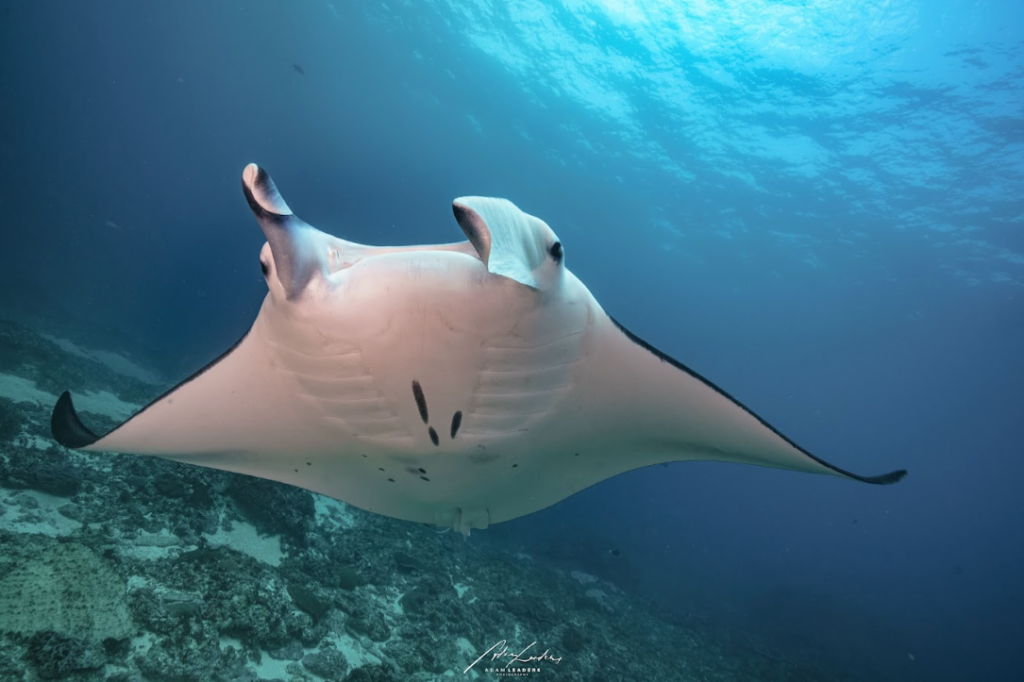
Seeing a manta ray underwater for the first time is hard to describe until it actually happens. One moment you’re watching the reef, and the next, this majestic creature glides past so effortlessly it barely feels real. Despite their size, manta rays move with a calmness that completely changes the energy underwater.
It’s one of the main reasons divers travel from around the world to dive with manta rays in Bali.
At Nico Dives Cool, manta ray trips are designed to keep that experience personal and low-impact. With small dive groups, experienced local guides, and a strong focus on responsible diving, the goal is not just to see manta rays, but to experience them respectfully in their natural environment.
Here’s everything you need to know before diving with manta rays in Bali, including the season, behavioral considerations, and how to approach these encounters ethically.
Where to Dive with Manta Rays in Bali
The best dive site to see the manta ray in Bali is Manta Point, located off the coast of Nusa Penida.
Accessible by boat from Sanur, this site is known for:
- ● Year-round manta ray sightings
- ● Shallow cleaning stations
- ● Dramatic underwater rock formations
- ● Rich marine biodiversity
Trips with Nico Dives Cool Bali depart from Sanur in the morning and include full-day diving around Nusa Penida, combining manta dives with additional reef or drift dive sites around the island.
Unlike many larger operations, groups are intentionally kept small, allowing instructors and guides to adapt the experience around diver comfort and oceanic conditions.
Why Manta Rays Gather at Manta Point
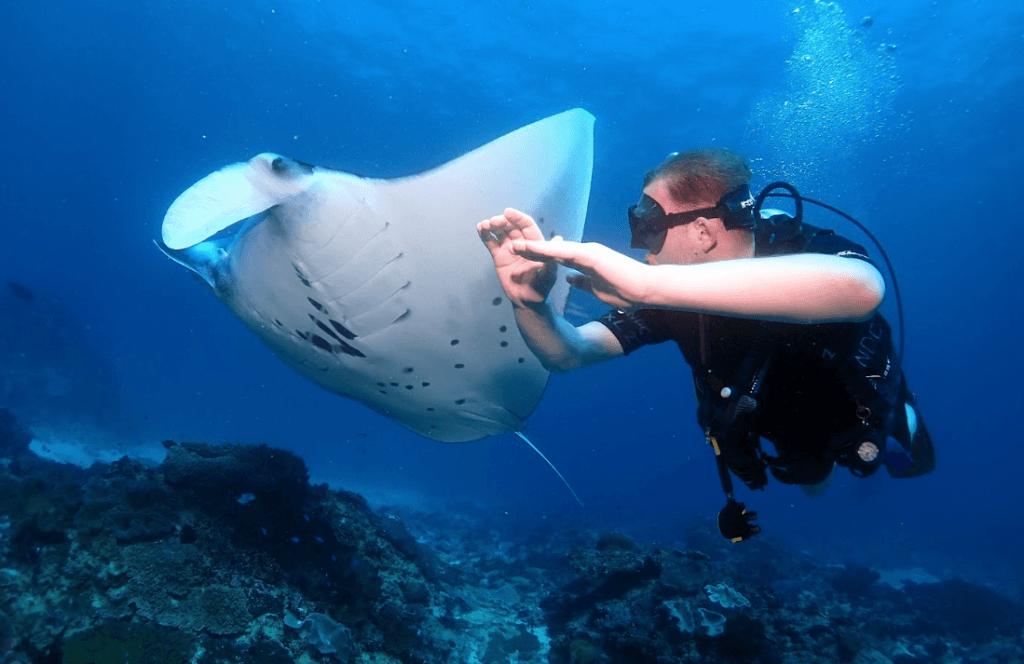
Manta Point is famous because of its natural cleaning stations.
These are shallow reef areas where smaller fish clean parasites and dead skin from manta rays. Because mantas return repeatedly to these spots to get cleaned, divers often have the chance to observe them circling slowly above the reef or hovering almost motionless in the current.
The cleaning station at Manta Point sits at relatively accessible depths, which is why even newer divers and snorkelers can observe manta rays up close.
It is important to remind all divers and snorkelers that they should never chase, touch, or block manta rays underwater.
This principle actually applies to all marine life, including corals, which are living organisms that can be easily damaged by careless contact, fins, or poor buoyancy control.
Preserving the natural beauty and behavior of Manta Rays at cleaning stations
Respecting marine life means allowing animals to behave naturally without interference. Chasing or approaching too aggressively can create stress for underwater species, disrupt feeding or resting behaviors, and, in some cases, push animals away from areas essential to their survival.
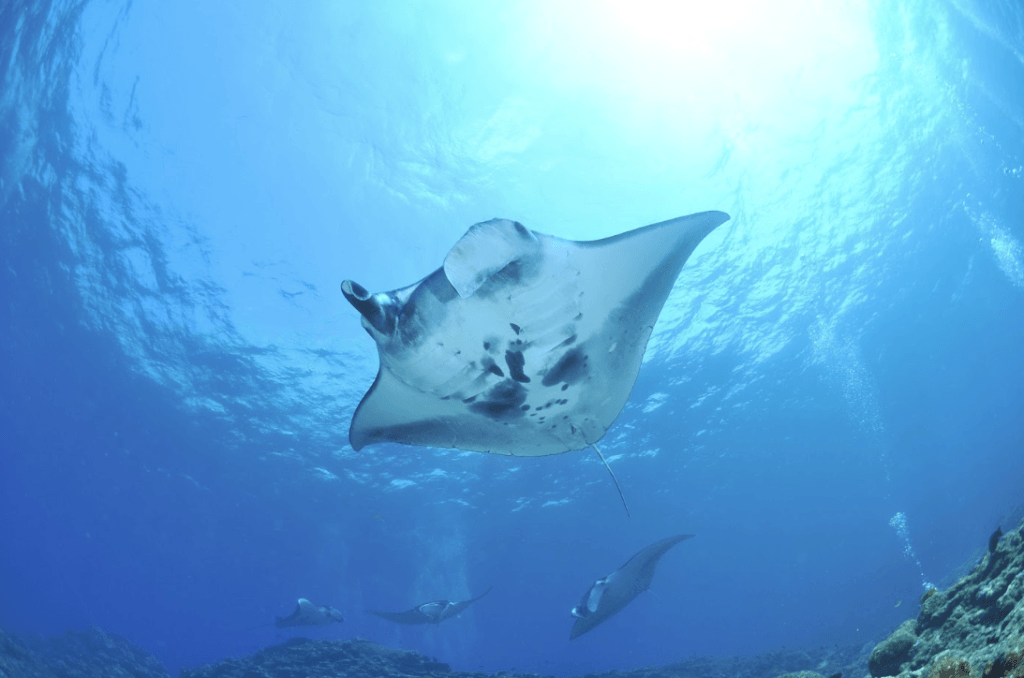
This is especially important when diving with manta rays at cleaning stations. These locations are specific areas on the reef where manta rays slow down and allow small reef fish to remove parasites and dead skin from their bodies. Cleaning stations are critical to the mantas’ health and well-being. If divers swim too close, block their path, dive above them, or attempt to touch them, the manta rays may abandon the cleaning station entirely. Repeated disturbance can even cause mantas to stop visiting these sites over time.
By staying calm, keeping a respectful distance, and allowing the manta rays to approach on their own terms, divers not only help protect these animals but also create a far more natural and memorable encounter. Responsible interactions ensure that future generations of divers will continue to experience the incredible sight of manta rays in their natural environment.
The truth is, the best manta encounters happen when you do less, not more. Stay calm, breathe slowly, and simply let the ocean happen around you. When a manta chooses to come close on its own, it feels magical in a way no chased interaction ever could.
Manta Ray Behavior in Indonesia: What You’ll Notice Underwater
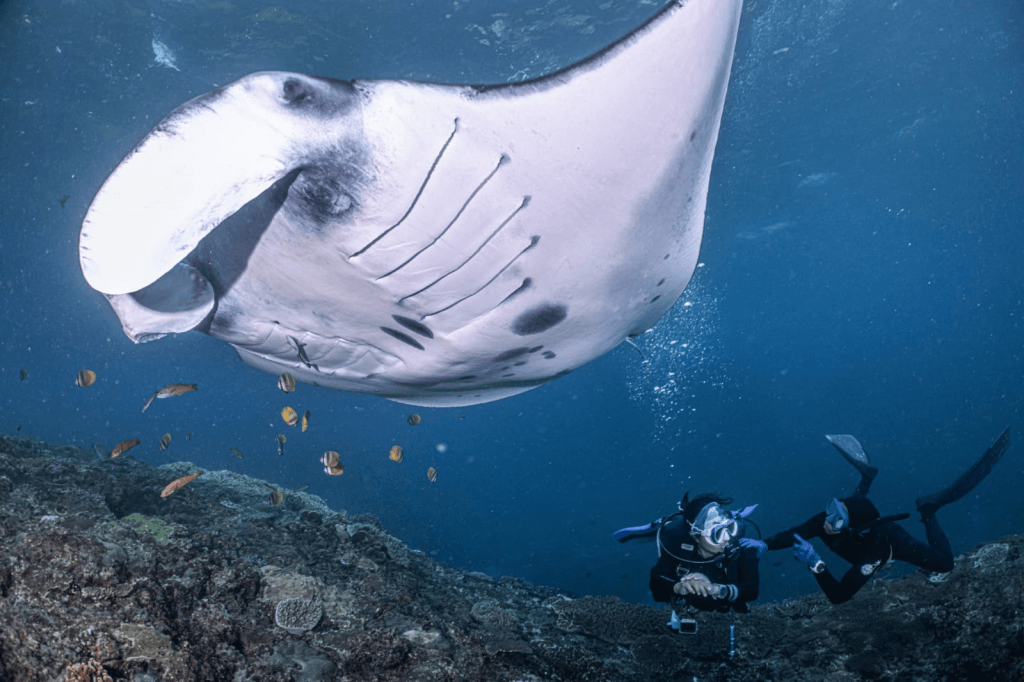
One of the most fascinating parts of manta ray behavior in Indonesia is how calm and effortless these animals appear underwater.
Reef manta rays around Bali are commonly seen:
- ● Looping through cleaning stations
- ● Gliding slowly against the current
- ● Barrel rolling while feeding
- ● Circling the same reef areas repeatedly
Unlike fast-moving pelagic species, manta rays tend to move in smooth, controlled patterns, which makes encounters feel surprisingly peaceful.
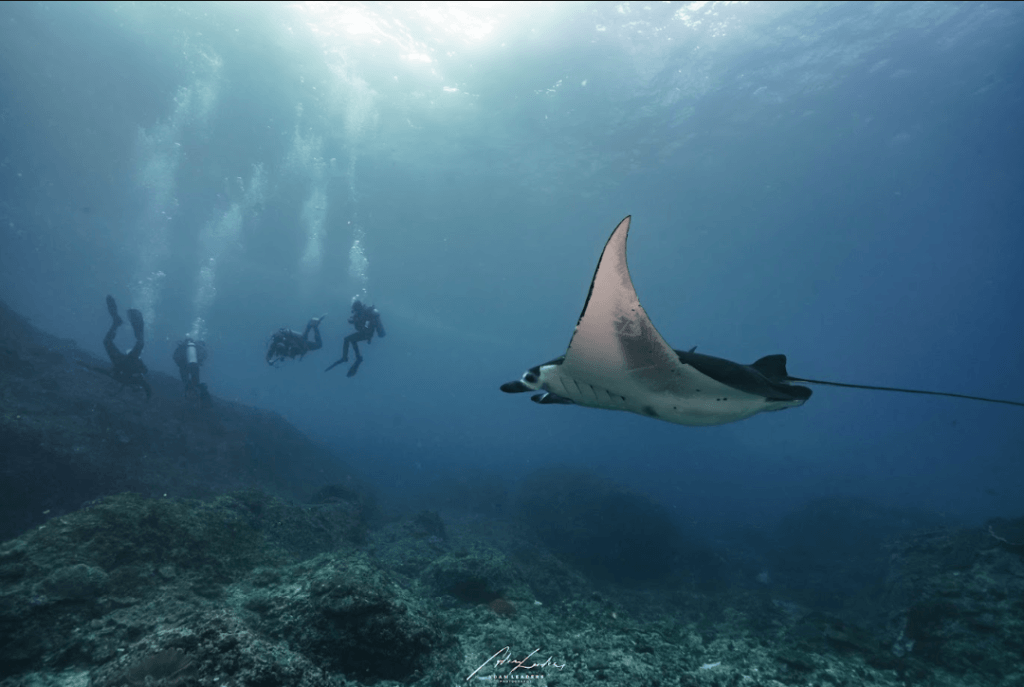
At Manta Point, divers may occasionally see manta rays pass remarkably close while moving naturally through the cleaning station or feeding area. The calmer and more respectful the group remains, the more natural the interaction tends to feel.
Sightings vary day by day, but encounters with multiple manta rays during a single dive are not uncommon around Nusa Penida.
At times, several mantas can be seen circling gracefully together above the reef, gliding one after another in perfect harmony. Watching them move through the water feels almost unreal, like an underwater ballet where each manta seems to dance effortlessly with the others. Their slow movements, elegant turns, and the silence of the ocean create a moment that many divers never forget.
Manta Rays in Bali: Diving Conditions Throughout the Year
One of the reasons manta ray diving is so popular in Bali is that manta rays can be seen year-round around Nusa Penida. There is no specific manta ray season, as sightings are consistent throughout the year.
What changes seasonally are the oceanic conditions rather than the presence of manta rays themselves. Visibility, water temperature, currents, and surface conditions can vary depending on the time of year.
November to May
Generally, this period offers:
- ● Good visibility
- ● Calmer sea conditions
- ● Warmer water temperature
- ● Fewer crowds
- ● More comfortable boat crossings
These months are often preferred by divers looking for calmer overall diving conditions around Nusa Penida.
June to October
During Bali’s cooler months:
- ● Water temperatures around Nusa Penida can drop significantly
- ● Visibility is often excellent
- ● Oceanic conditions may become more dynamic
This period is also popular because it brings a higher chance of cooler upwellings that attract large marine life, such as Mola Mola (ocean sunfish).
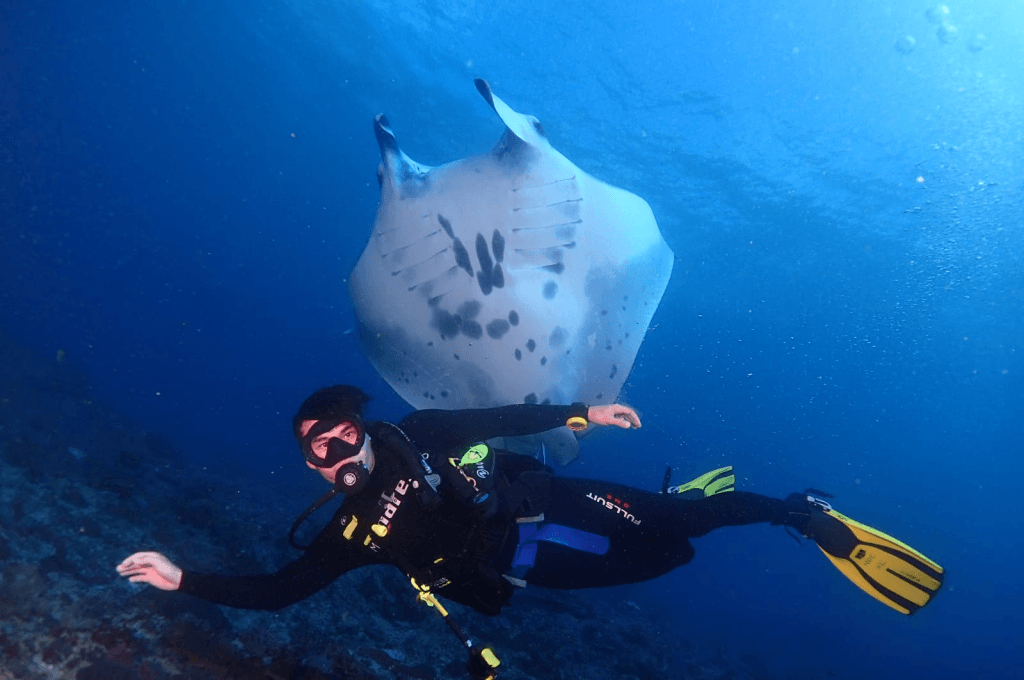
Can Beginners Dive with Manta Rays in Bali?
Yes, depending on ocean conditions and the diver’s comfort level.
Nico Dives Cool usually recommends diving in Padang Bai, Tulamben, or Amed for a very first diving experience. However, for those who have already tried diving and feel comfortable with the basic scuba safety skills, Nico Dives Cool’s experienced instructors can take them to Nusa Penida. Newly certified Open Water divers are also welcome to dive in Nusa Penida with attentive guides and instructors.
Manta Point itself can actually be suitable for beginner divers and snorkelers alike, as much of the manta activity takes place at relatively shallow depths.
That said, the surge around the cleaning station can feel quite impressive for some divers, as can the manta rays themselves.
It’s also important to remember that conditions around Nusa Penida can change quickly. Currents, surges, and temperature shifts are all possible, which is why choosing the right dive operator matters.
At Nico Dives Cool Bali, beginner divers are carefully assessed before manta trips. Dive plans are adapted around:
- ● Experience level
- ● Water confidence
- ● Daily oceanic conditions
The small-group approach allows instructors to supervise closely while keeping the experience calm and manageable for divers of all levels.
Responsible Manta Ray Diving: How to Watch Ethically
As manta tourism continues to grow in Bali, responsible wildlife interaction has become increasingly important.
At Nico Dives Cool Bali, ethical diving practices are part of every briefing before entering the water.
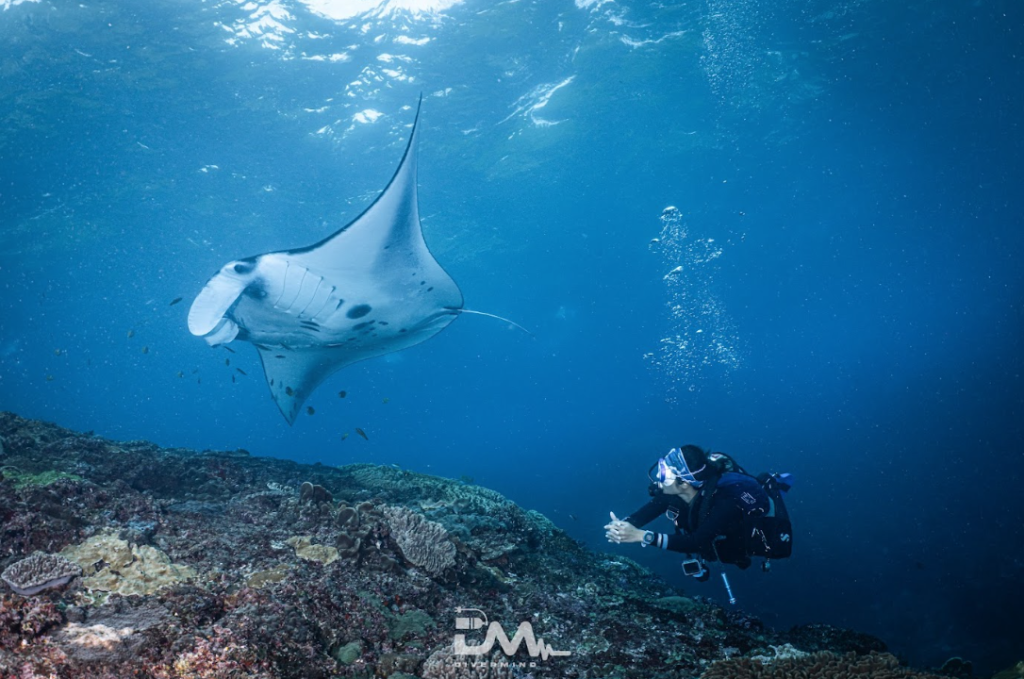
Responsible Manta Ray Diving Tips
When diving with manta rays:
- ● Never touch the manta rays
- ● Avoid swimming directly toward them
- ● Do not block cleaning stations
- ● Stay low and calm in the water
- ● Avoid flash photography close to their faces
- ● Give the animals space to move naturally
The goal is observation, not interaction.
Manta rays are far more likely to approach divers naturally when the environment remains quiet and non-intrusive.
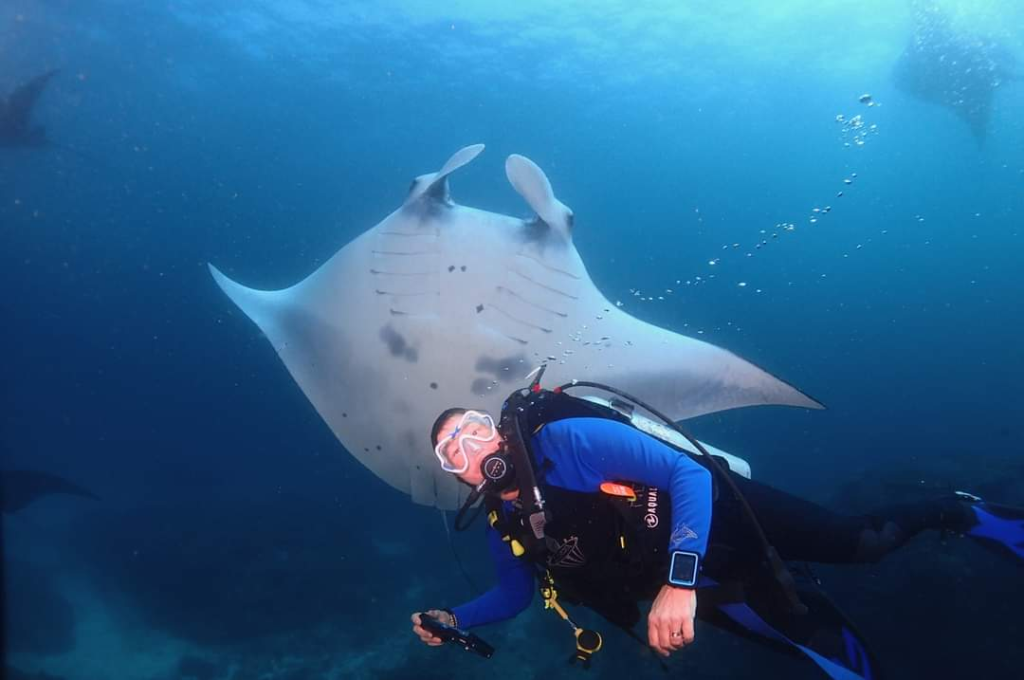
What a Manta Ray Dive Day Looks Like with Nico Dives Cool Bali
One of the biggest advantages of diving with Nico Dives Cool Bali is how seamless the experience feels from start to finish.
Morning
- ● Hotel pick-up in Bali
- ● Welcome and gear fitting at our office in Sanur
- ● Transfer to Sanur Beach
- ● Boarding the speedboat that will take us around Nusa Penida for the day
- ● Dive briefing and equipment setup
All logistics, equipment, and planning are taken care of for you, so you can simply relax and enjoy the adventure
Once at the dive sites
Nico Dives Cool’s experienced dive guides and diving instructors will choose the best dive sites and the suitable order based on the weather, tides, and conditions on the day. If conditions allow, the team prefers to dive Manta Point on dive 3, as there are fewer divers there later in the day, and we often have the manta rays to ourselves.
Other dive sites around Nusa Penida typically offer:
- ● Drift dives around Nusa Penida
- ● Coral reef exploration
- ● Encounters with turtles, reef fish, and other pelagic species
At Manta Point
- ● Divers descend gradually toward the cleaning station
- ● Guides position groups respectfully away from manta pathways
- ● The dive remains slow-paced and observational
Rather than chasing sightings, the experience focuses on allowing natural behavior to unfold.
Drinks, snacks, lunch, a towel, and dive gear, as well as return transfers, are included in the day trip.
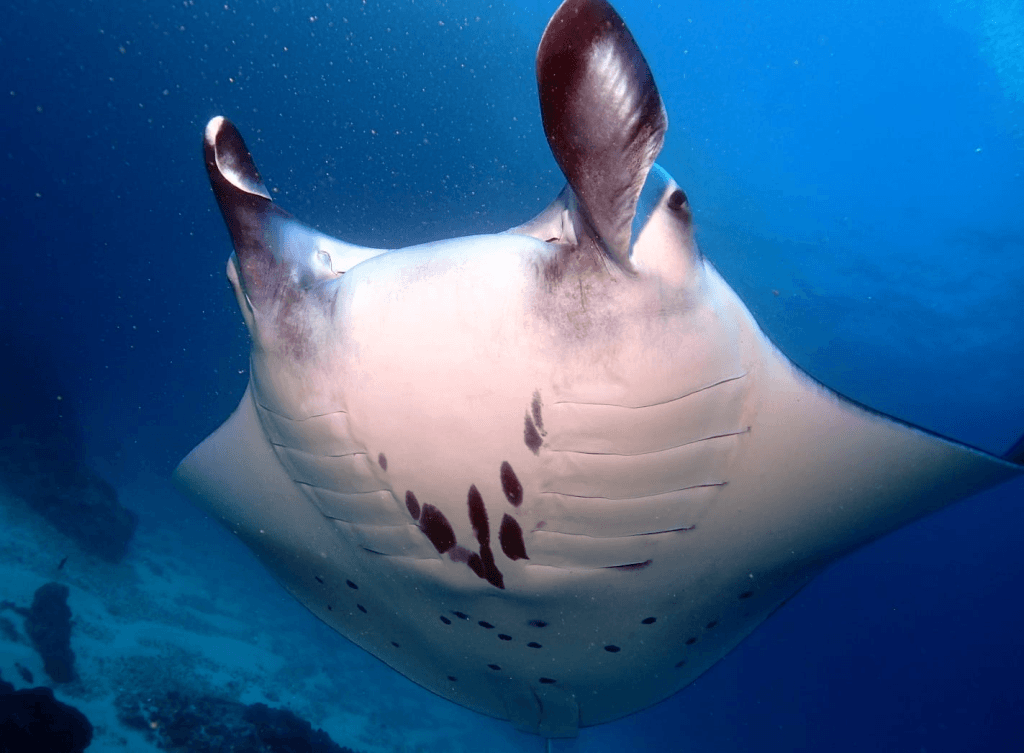
Why Divers Choose Nico Dives Cool Bali for Manta Ray Trips
There’s no shortage of dive operators offering manta tours in Bali. What makes Nico Dives Cool Bali different is the balance between professionalism, safety, and genuinely personalized diving.
Their manta ray trips are built around:
- ● Small dive groups
- ● Safety-first dive planning
- ● Ethical wildlife interaction
- ● High-quality maintained equipment
- ● Attentive and friendly guidance
- ● Experienced local knowledge of Nusa Penida conditions
For newer divers, especially, that personalized approach can completely shape how comfortable and enjoyable the experience feels underwater.
The team’s strong focus on environmentally responsible diving also aligns naturally with respectful manta tourism practices around Bali.
What to Bring for a Manta Ray Dive
At Nico Dives Cool Bali, all essential dive equipment is available for divers who need it, and complimentary towels are also provided for the day.
For divers taking diving courses or refresher programs, dive computers are always included free of charge. Certified divers joining fun dives who do not have their own dive computer can rent one for only 150,000 IDR per day.
During the cooler months around Nusa Penida, particularly during Mola Mola season, Nico Dives Cool Bali provides 5mm full wetsuits instead of the standard 3mm wetsuits typically used throughout the rest of the year. For additional thermal protection, a 3mm shorty can also be layered over a long 3mm wetsuit, depending on the diver’s preference. Dive hoods are available on request for extra warmth and comfort.
Divers are generally recommended to bring:
- ● A swimsuit to wear under the wetsuit
- ● Reef-safe sunscreen
- ● A dive computer, if they own one
- ● A change of clothes
- ● Motion sickness tablets if needed
- ● An underwater camera (optional)
The guides at Nico Dives Cool Bali always carry motion sickness tablets in case divers may need them, and reef-safe sunscreen is also available for purchase at the office for anyone who may have forgotten theirs.
For divers without their own underwater camera, photo and video services can also be arranged. The guides are always happy to capture underwater memories throughout the dive experience, allowing divers to simply relax, enjoy the moment, and leave with beautiful footage of their Bali diving adventure.
FAQs
What is the best manta ray season in Bali?
Manta rays can be seen year-round around Nusa Penida. Conditions such as visibility, water temperature, and surface conditions may vary depending on the time of year.
Where is the best place for diving with manta rays in Bali?
Manta Point in Nusa Penida is considered Bali’s most reliable manta ray dive site.
Can beginners dive with manta rays in Bali?
Yes, on calmer days and depending on comfort level and conditions.
Is diving with manta rays safe?
Yes. Manta rays are gentle filter feeders and are not dangerous to humans.
How do I dive with manta rays responsibly?
Choose operators that prioritize small groups, safety, and ethical wildlife-interaction practices, and never touch or chase animals underwater.
Ready to Dive with Manta Rays in Bali?
Seeing a manta ray underwater is one of those experiences that can be ticked off your bucket list.
At Nico Dives Cool Bali, manta trips are designed to make that experience feel safe, personal, and genuinely respectful to the ocean environment.
Whether you’re newer to diving or already certified, the team will guide you through Bali’s most iconic manta ray site with a strong focus on comfort, safety, and responsible diving practices.
Book your Nusa Penida manta ray dive trip today with Nico Dives Cool Bali and experience one of Bali’s most unforgettable underwater encounters.